


 Get the CarJade App
Running cost of about ₹1/km
Charging at a home tariff costs roughly a fifth of what the same distance burns in petrol. The longer your daily drive, the faster that gap adds up.


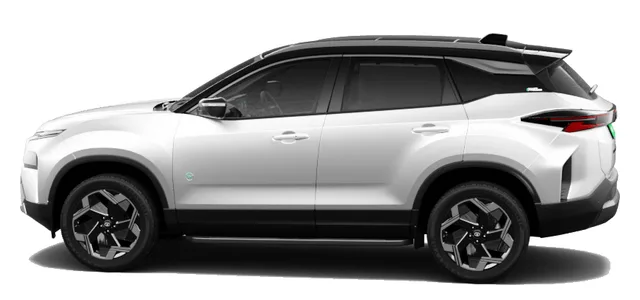
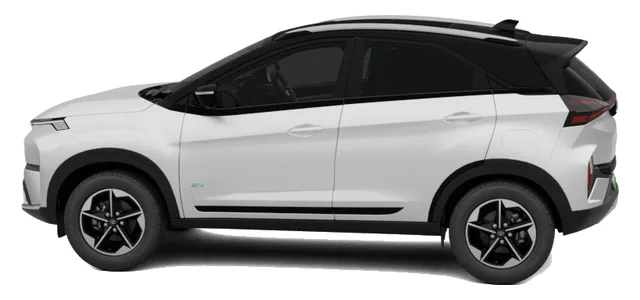
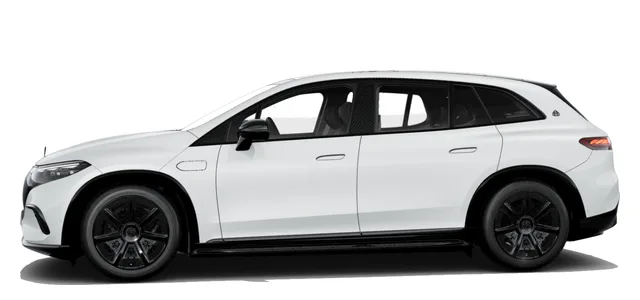
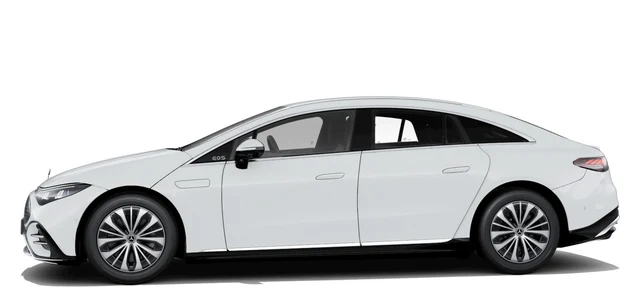
Start your search with the best EVs in each category.
What changes day to day once the fuel is electricity.
Charging at a home tariff costs roughly a fifth of what the same distance burns in petrol. The longer your daily drive, the faster that gap adds up.
No engine oil, no filters, no clutch, no exhaust. A service visit is mostly brakes, tyres, coolant and a software check.
Full pull from a standstill makes an EV quicker in city traffic than its price suggests, and there is no gearbox to wait for.
Nothing comes out of the car itself, which is what makes the difference where you actually drive it — inside the city.
Most states charge little or no road tax on EVs and several waive registration fees, so on-road price stays closer to ex-showroom.
A home charger tops the battery up overnight, so most days start full and you never take a detour to a fuel pump.
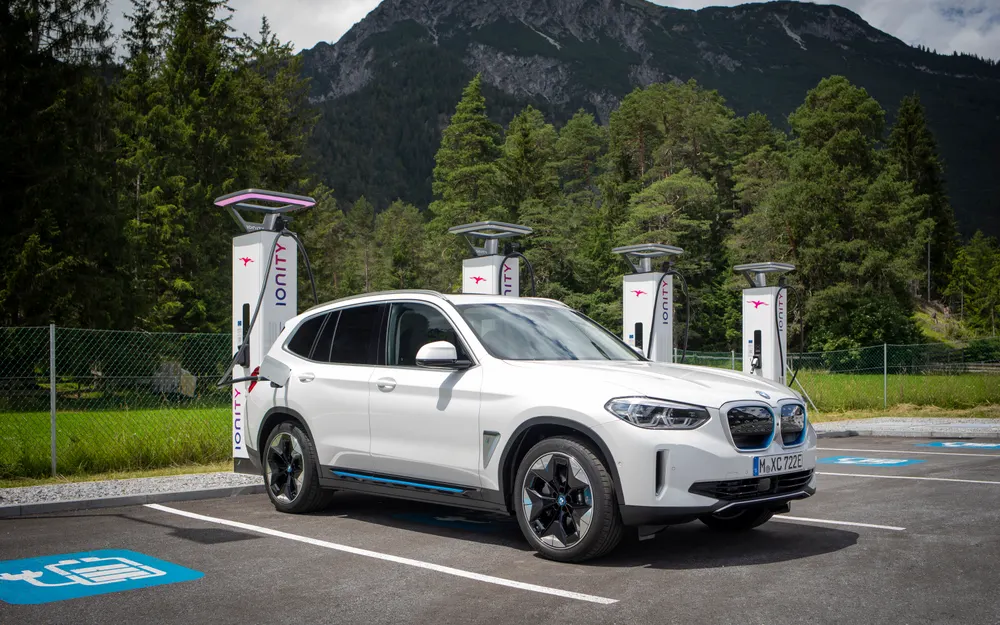
Three ways to put charge in, and they are not interchangeable. Most owners live on the first one and use the third on long drives.
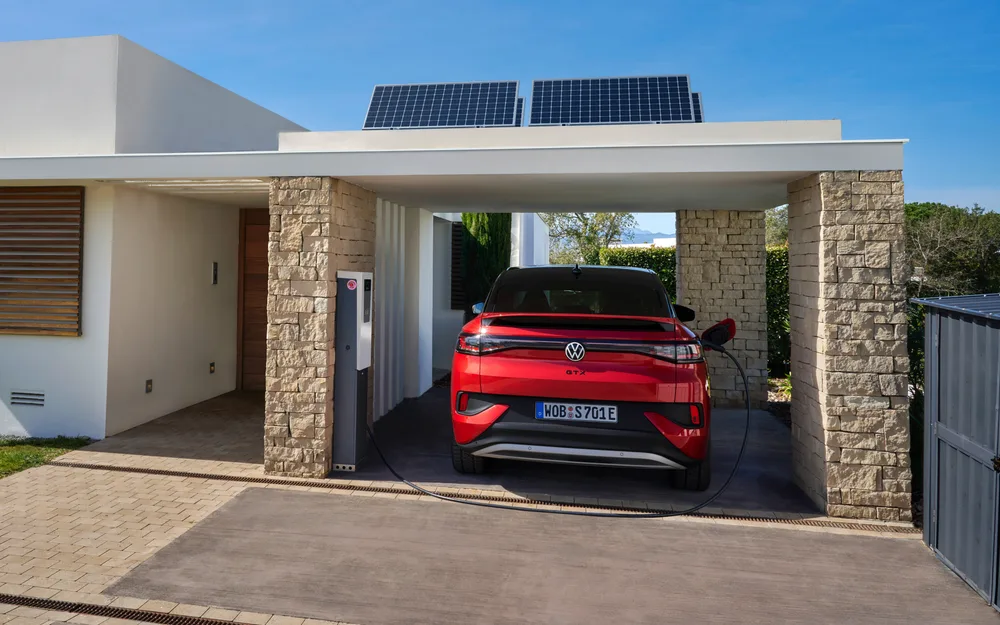 1
6 - 10 hours
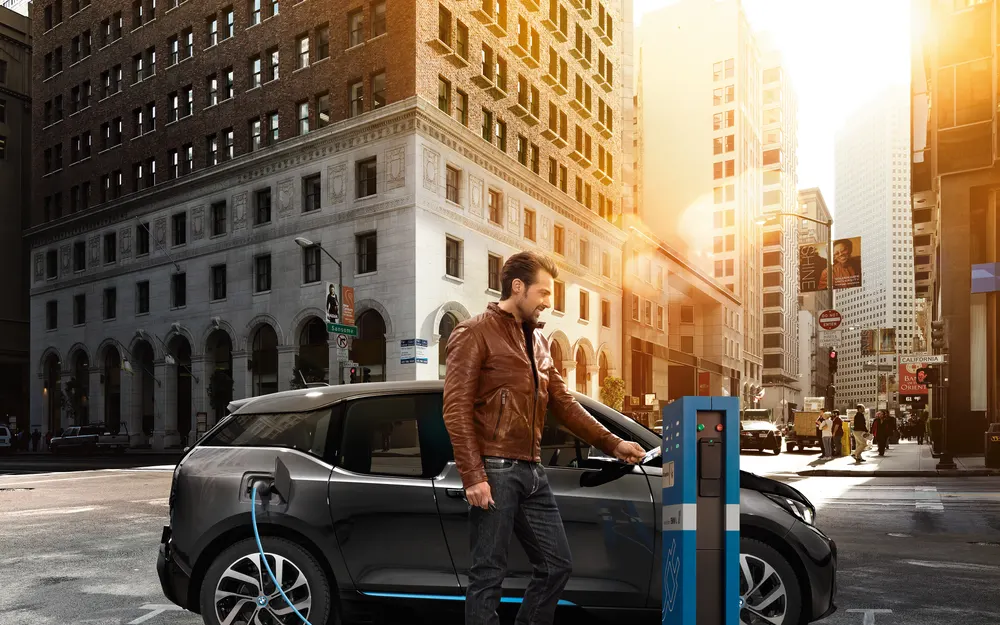 2
3 - 6 hours
 3
20 - 60 minutes
The 12 makers with the most electric cars on sale. Pick one to see its full range.
Charging cost is worked out from the car's own battery and certified range. Put in your own driving and tariff to see where you land.
You save about
₹7,269 / month
₹4,36,137 over five years, at 1,200 km a month
Straight answers to what buyers ask before going electric.
CarJade currently lists electric models from mainstream and luxury brands, starting around ₹6 lakh and going past ₹2 crore. The grid above is the live list — it updates as new models launch.
Take the battery size in kWh and multiply by your electricity tariff to get the cost of a full charge. A 40 kWh pack at ₹8 a unit is about ₹320 for roughly 300 km, so a little over ₹1 per km. A petrol car doing 15 kmpl at ₹105 a litre costs about ₹7 per km.
Overnight on a home charger, typically 6 to 10 hours from low to full. On a 50 kW or faster DC charger, 10% to 80% usually takes 30 to 60 minutes, and less on the newest cars.
The range figure on a spec sheet is a certified test number. In everyday mixed driving expect roughly 70 to 80 percent of it, less if you use the highway and air conditioning heavily. A car rated at 450 km comfortably covers 320 to 350 km of real use.
Battery packs are warranted separately from the rest of the car — commonly 8 years or 160,000 km, and several brands now offer lifetime cover for the first private owner. Capacity fades slowly rather than failing outright.
No. An electric motor makes usable torque across its whole speed range, so EVs use a single fixed ratio. There is nothing to shift, which is why every EV drives like an automatic.
Yes, if you have a dedicated parking slot where a 15A point can be installed. Societies usually need to approve it and the wiring has to be run from a metered supply. Many newer buildings already provide EV points.
The saving per kilometre is what pays back the higher purchase price, so the more you drive, the sooner it works out. Under roughly 25 to 30 km a day, a petrol car is usually still the cheaper choice over five years. Use the calculator above with your own numbers.