



 Get the CarJade App

EV charging
EV Charging Stations in India
Find a public charger near you: the plugs it has, how fast it charges, who runs it and the way there.
- Charging stations
- 1,579
- With DC fast charging
- 1,437
- Cities
- 53
Charging stations by city
Every public charger in and around your city, with its plugs, power and directions.
- Delhi53 stations
- Mumbai3 stations
- Bengaluru141 stations
- Chennai10 stations
- Hyderabad3 stations
- Kolkata3 stations
- Pune21 stations
- Ahmedabad8 stations
- Jaipur4 stations
- Chandigarh3 stations
- Kochi72 stations
- Thiruvananthapuram41 stations
- Gurugram28 stations
- Noida41 stations
- Bhubaneswar22 stations
- Mysuru25 stations
More cities
37 cities in 11 states
Know your charger before you go
How fast a station charges depends on its power and on what your car can take.
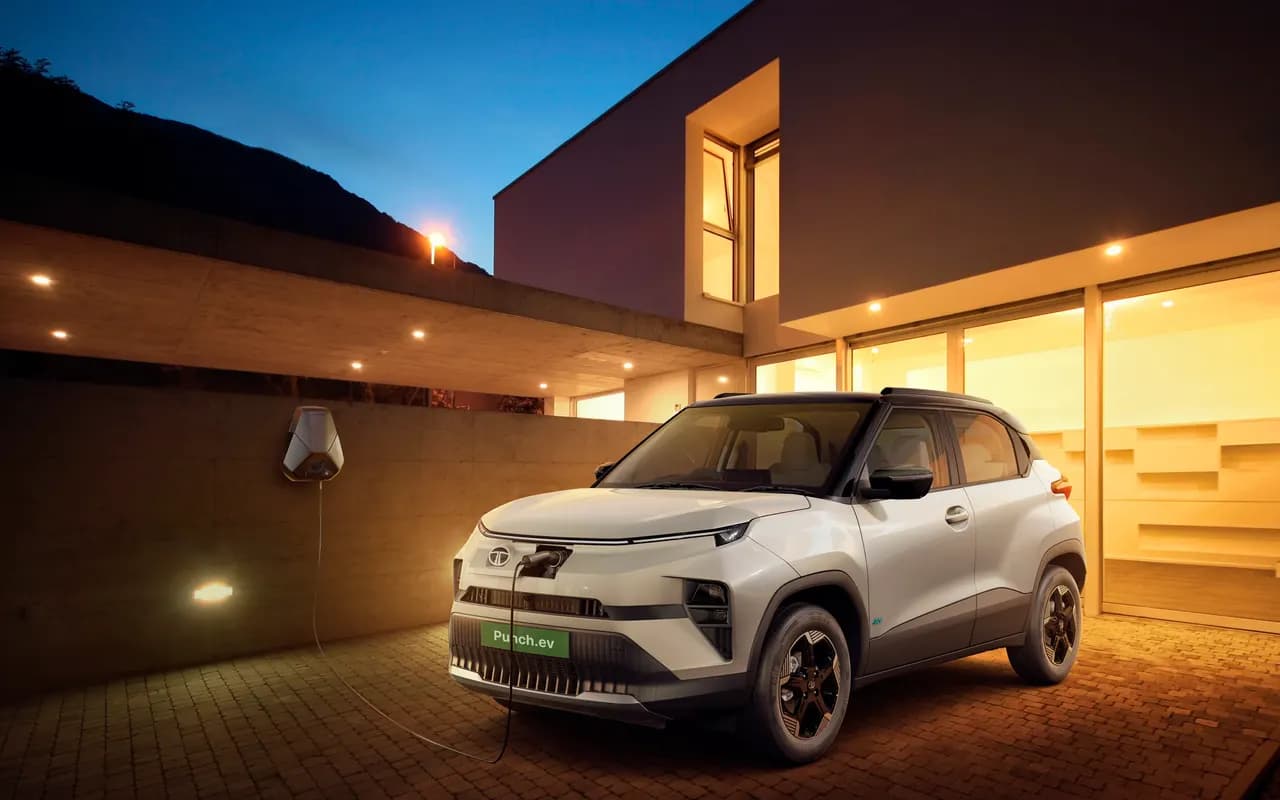
Home charging
3.3–7.4 kWAC
Charging time4–9 hrsfor a full charge on a 7.2 kW wall box- Plug
- Type 2 wall box or 15 A socket
- Where
- Your parking spot, overnight
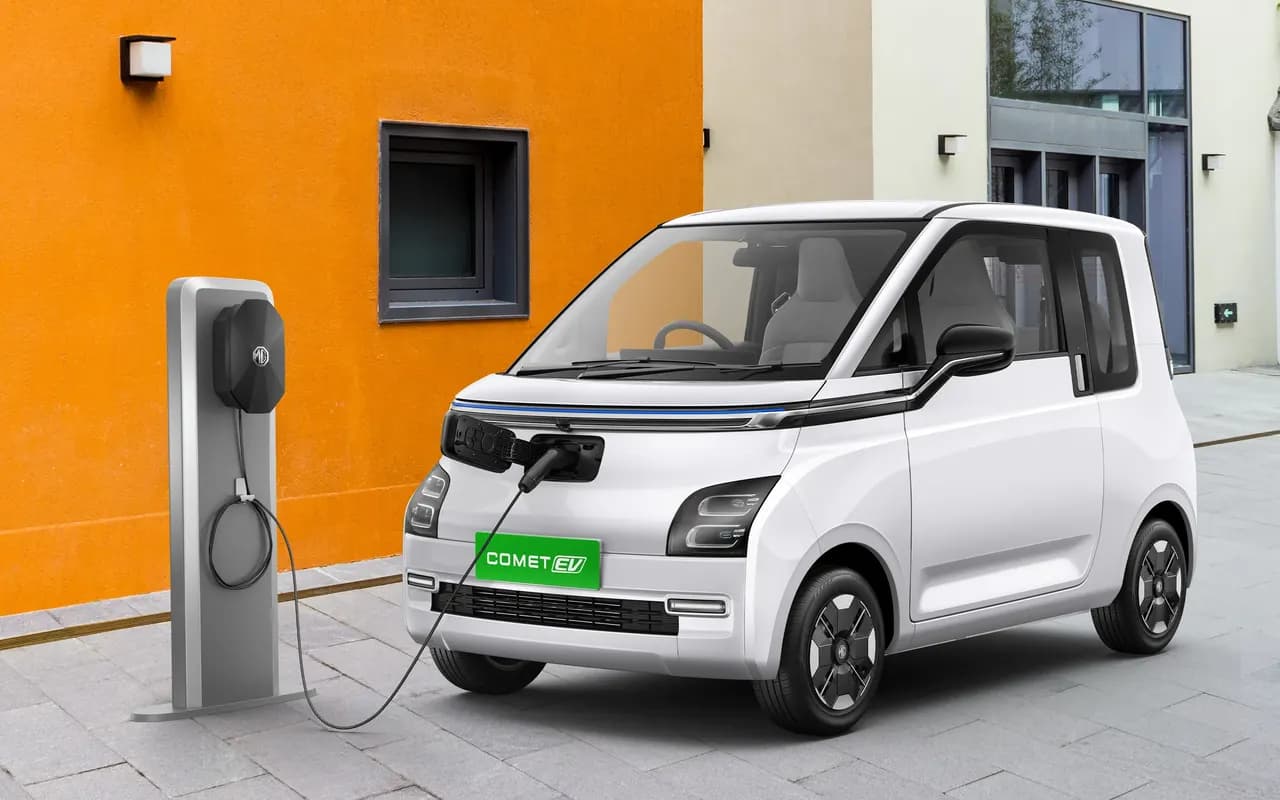
AC public point
7.4–22 kWAC
Charging time3–9 hrsfor a full charge; most cars accept only 7.2–11 kW on AC, so 22 kW is no faster- Plug
- Type 2
- Where
- Malls, offices, hotels
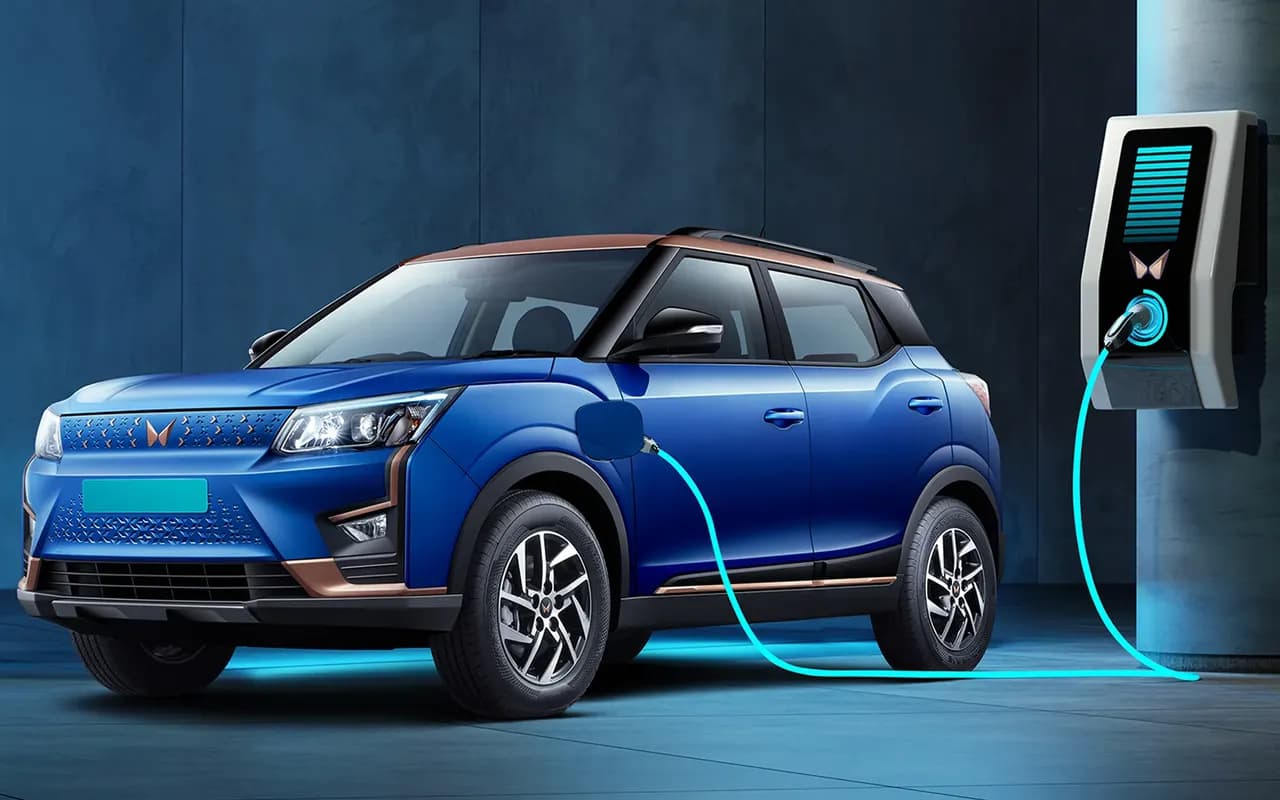
DC fast charger
25–60 kWDC
Charging time40–60 minto 80% for most cars- Plug
- CCS2
- Where
- Fuel stations, highways, city hubs
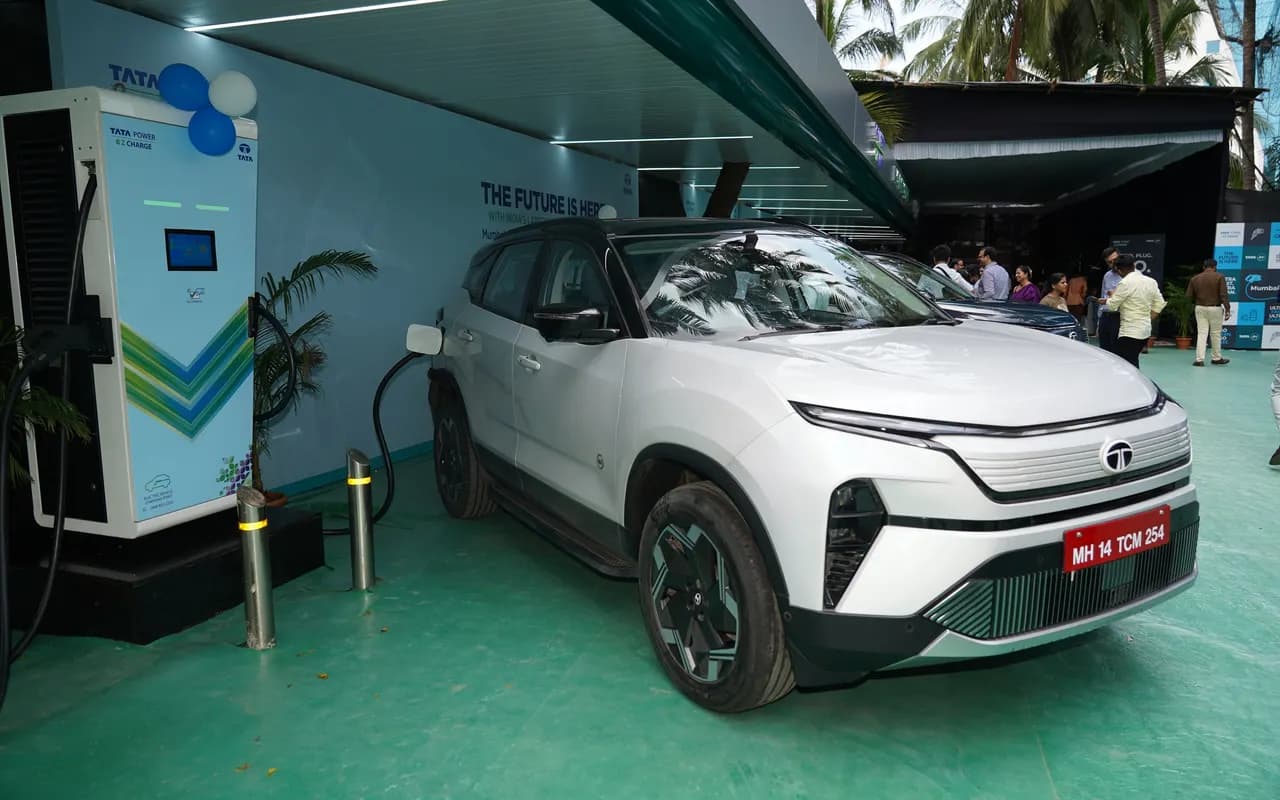
Ultra-fast hub
100–360 kWDC
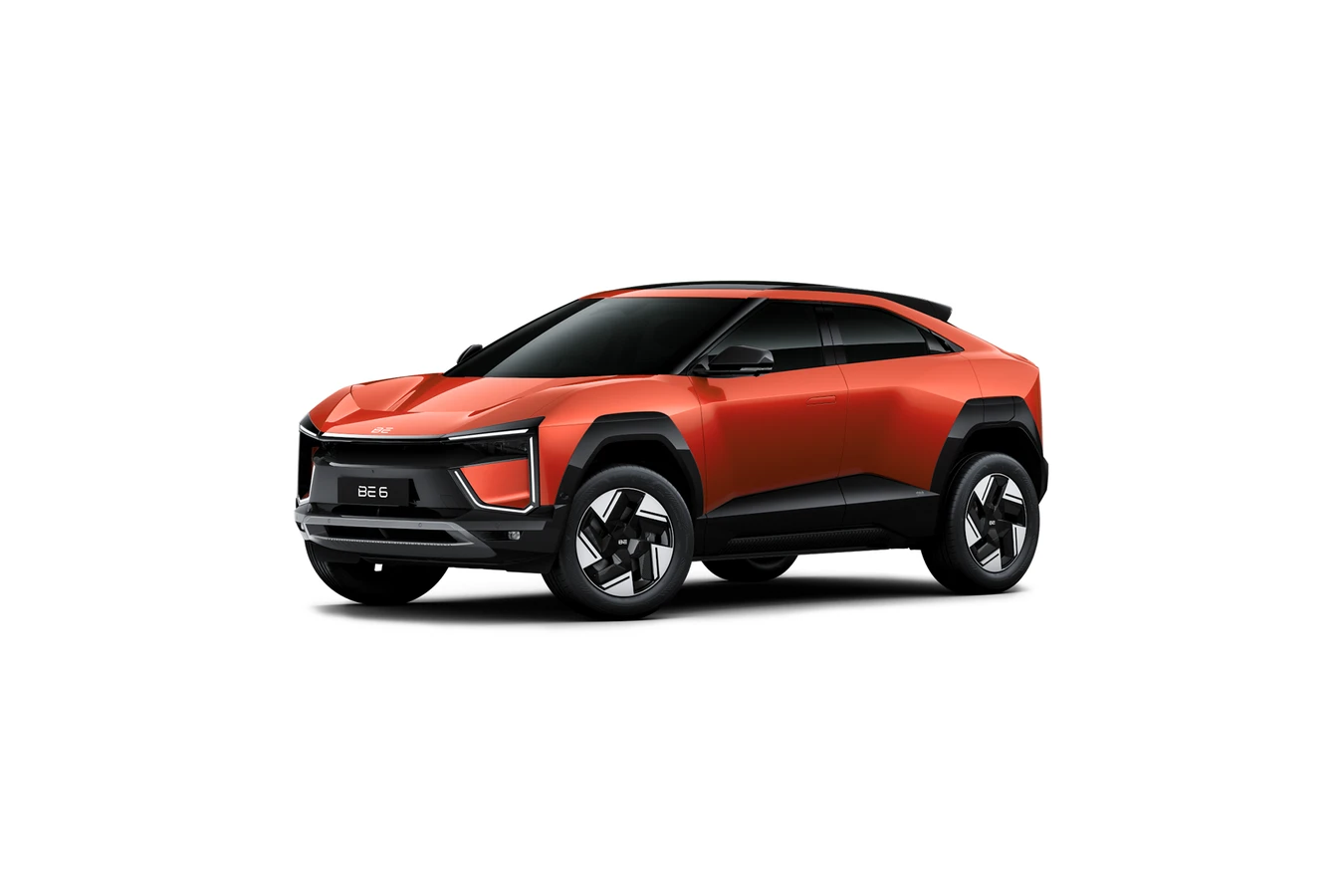
Charging time~20 min20–80% on cars built for it, like the Mahindra BE 6- Plug
- CCS2
- Where
- Highway corridors, mega hubs
Plugs explained
Each bar is the share of the 1,579 stations we list that have the plug.
- Most common
CCS2DC fast + AC
The fast-charge plug on almost every electric car sold in India today.
Fits almost every new EV
1,432 stations91%
Type 2AC
Home wall boxes and AC public points. It is the top half of a CCS2 socket.
Every CCS2 car takes it, on AC
275 stations17%
CHAdeMODC
Japan's standard, found on a few older imports.
CCS2 cars can't use it
69 stations4%
Bharat DC-001DC (low voltage)
India's early fleet standard, on cars like the first Tata Tigor EV and the Mahindra eVerito.
CCS2 cars can't use it
42 stations3%
Charging networks
The companies that run the stations we list. Each has an app to start a session and pay.
- ChargeMod281 stations
- GO EC183 stations
- Zeon Charging171 stations
- Tata Power169 stations
- Chargezone140 stations
- Statiq121 stations
- JIO BP Pulse80 stations
- Relux Electric35 stations
- Shell Recharge34 stations
- EESL21 stations
- Adani Gas-EV9 stations
- Rebolt8 stations
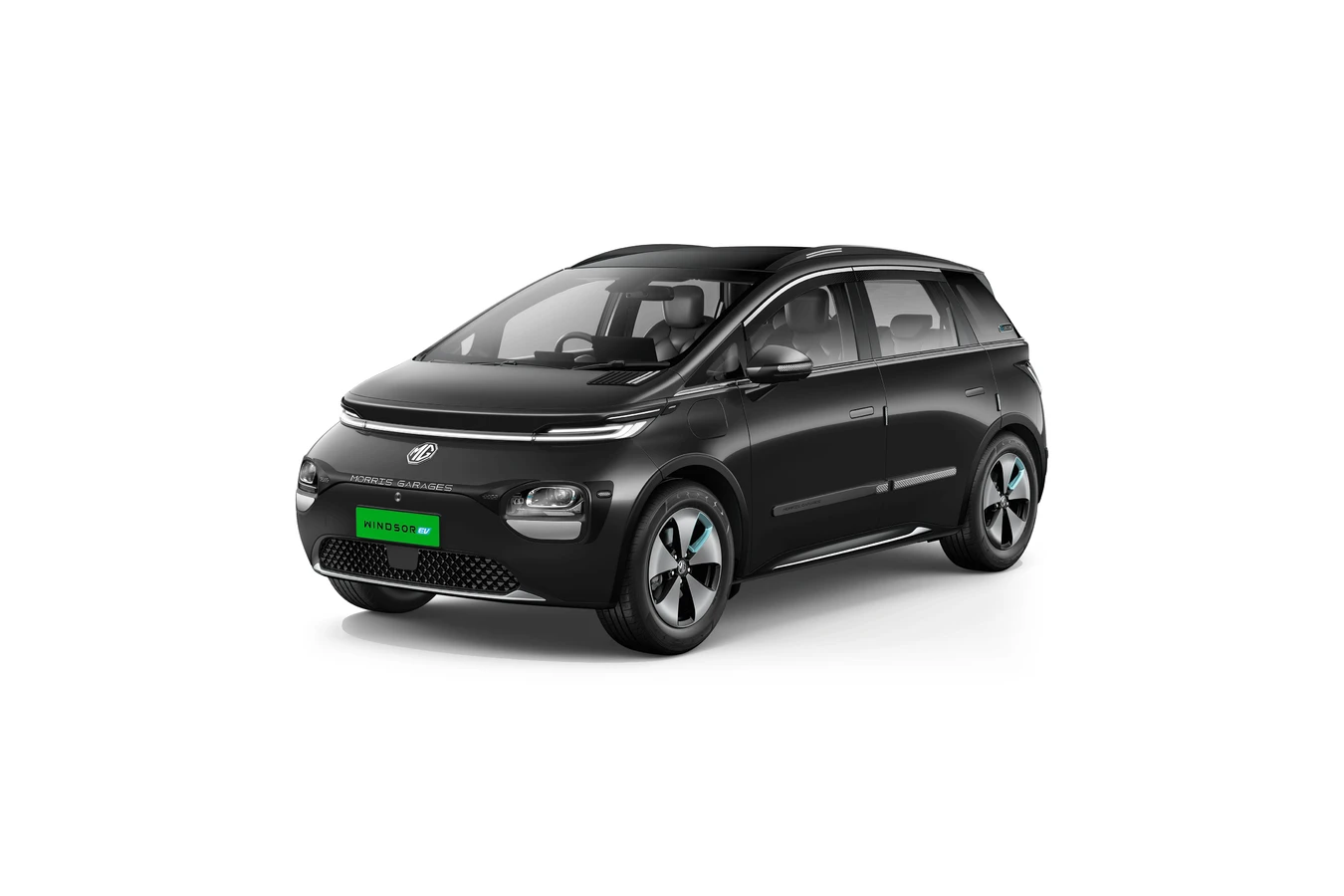
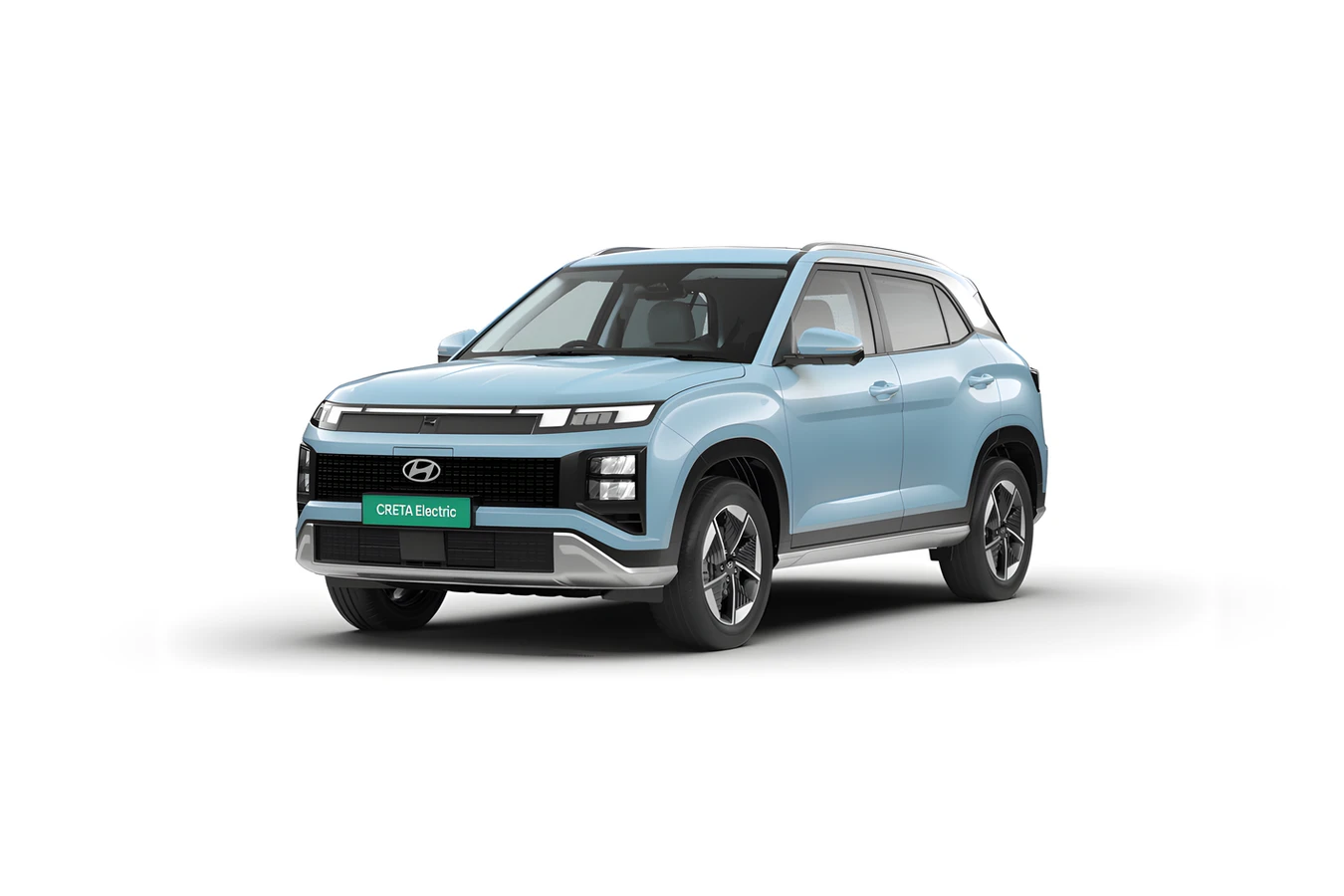
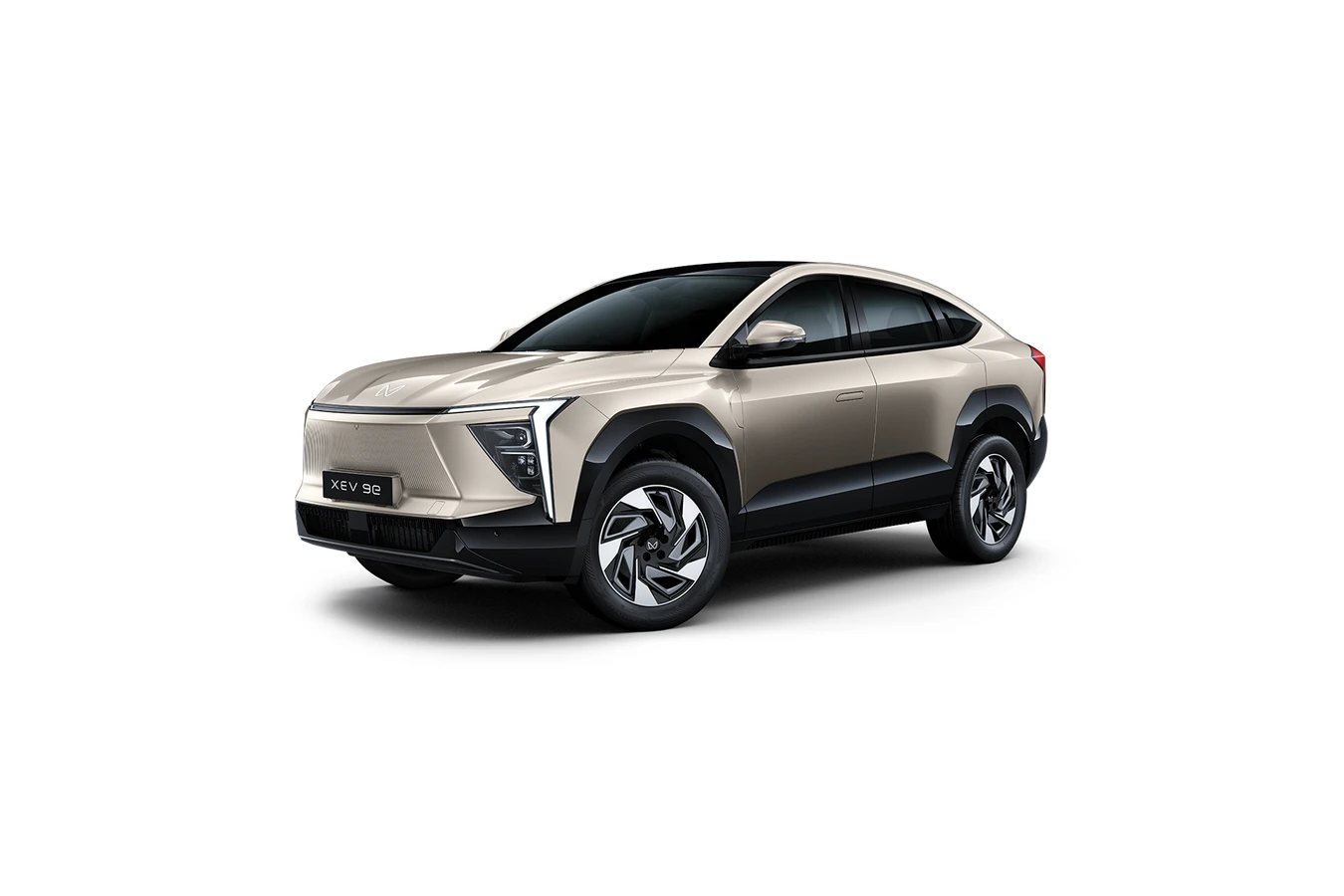
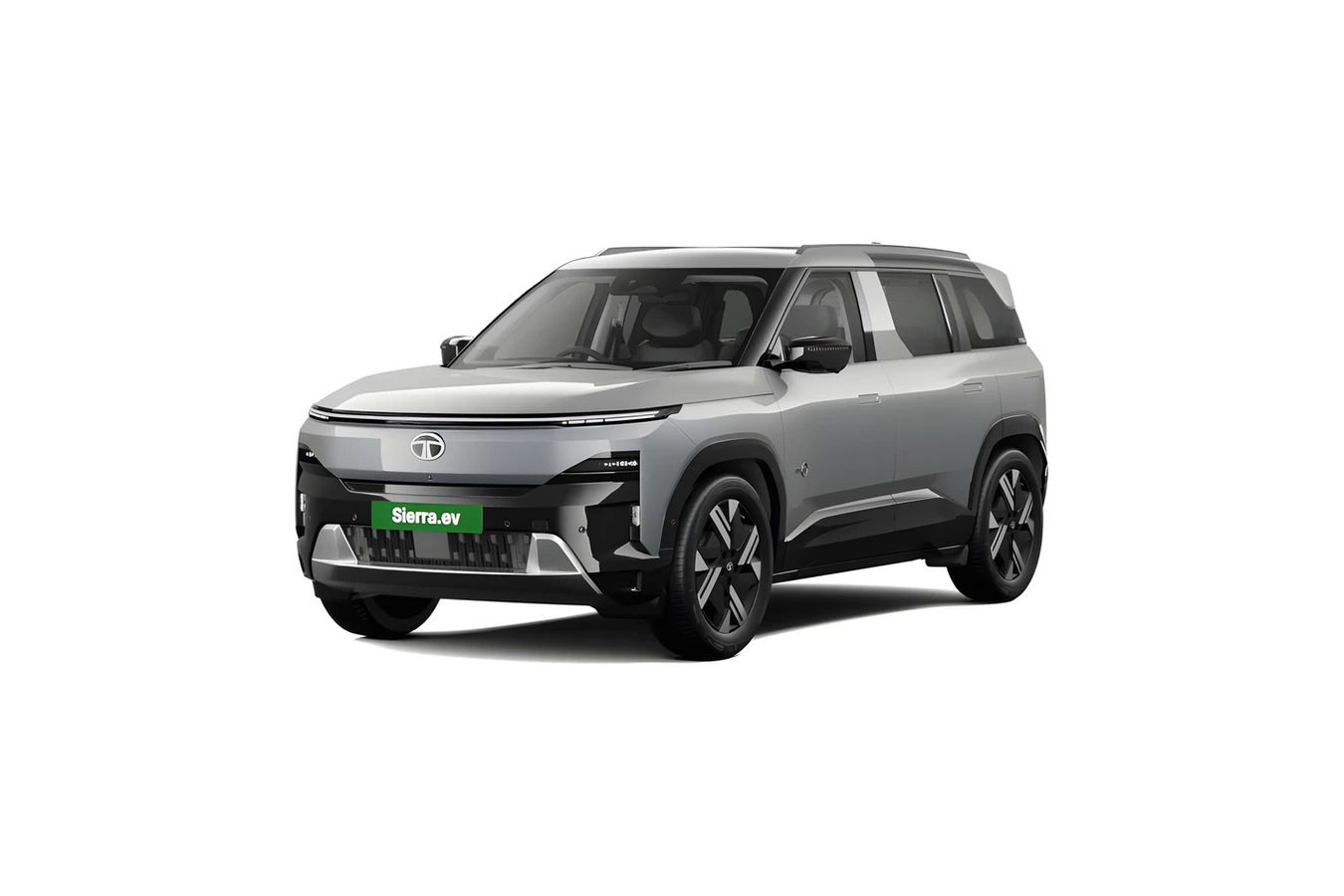
Popular electric cars
Each car's page has its range, charging times and a charging cost calculator.
EV charging questions, answered
Straight answers on finding, using and paying for a public charger.
How many EV charging stations are there in India?
CarJade lists 1,579 public charging stations for cars across 23 states, 1,437 of them with DC fast charging. Government counts include many more chargers than any open list holds, so if a station you know of is missing, check the operator's app.
Which charging networks have the most stations?
Among the stations we list, ChargeMod (281), GO EC (183), Zeon Charging (171), Tata Power (169) and Chargezone (140) run the most. Each network has its own app to find chargers, start a session and pay.
Which plug does my electric car need?
Almost every electric car sold in India charges on CCS2 at DC fast chargers and on Type 2 at AC points and wall boxes. 1,432 of the stations we list have a CCS2 plug. A few older cars use CHAdeMO or Bharat DC-001 (GB/T) instead, so check the plug on the station card before you drive there.
How long does it take to charge an electric car?
On a 50-60 kW DC fast charger most cars reach 80% in about 40-60 minutes; cars built for 100 kW and more, like the Mahindra BE 6, go from 20% to 80% in about 20 minutes. A full charge on a 7.2 kW home wall box takes about 4-9 hours, depending on the battery. Every electric car's page on CarJade lists its own charging times.
How much does it cost to charge at a public charging station?
Public DC fast chargers in India usually ask ₹18-24 a unit (kWh) in 2026 — two to three times what most homes pay for electricity, so charging at home is the cheapest way to run an EV. Each electric car's page has a charging cost calculator for its battery and range.
How do I pay at a public charger?
Most networks work through their own app: you find the charger, start the session by scanning its QR code and pay by UPI or card. Some sites also take an RFID card. The app also shows whether the charger is free and what it costs, so open it before you set off.