



Quick answer
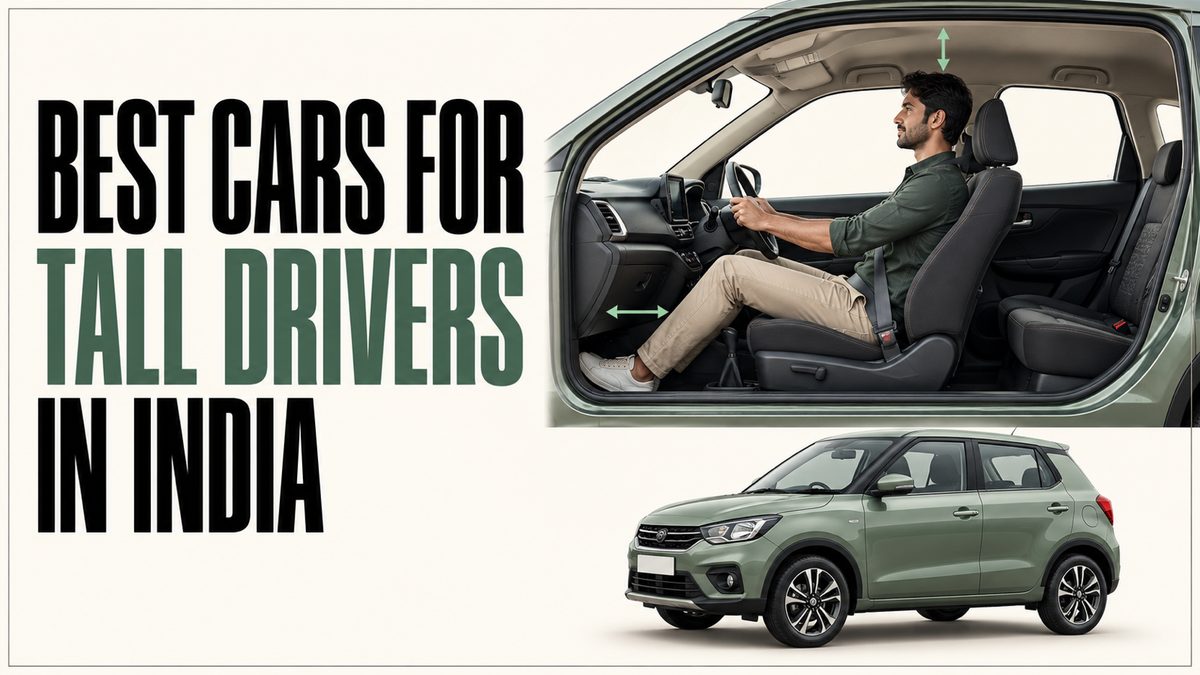
The best car for a tall driver is one that provides a comfortable driving position with clear visibility, full pedal control and enough room for the passengers behind. Hyundai Exter, selected Škoda Kylaq variants, Maruti Suzuki WagonR and larger family cars such as Ertiga are useful candidates to inspect. This is a fit-check shortlist, not a measured ranking of cabin dimensions.
Height alone cannot identify the right model. Two people of the same height can have different leg and torso lengths. Seat travel, cushion height, steering adjustment and roof design all change the fit. Test the exact trim and gearbox before paying a deposit.
What matters more than exterior height
A tall roof can help, but seat position determines how much useful room remains above your head. A high-mounted cushion may leave less clearance than expected. The relationship between pedals, seatback and steering wheel also affects whether you can sit comfortably without stretching or crowding your knees.
Do not solve a cramped cabin by reclining far back or moving beyond comfortable control reach. You should be able to operate the pedals and steering as the vehicle manual directs. If a sensible position still feels awkward, compare another car rather than accepting discomfort because its feature list is attractive.
A useful showroom fit check
| Area | What to try | Reason to reconsider |
|---|---|---|
| Seat height and travel | Adjust for normal driving | Head touches roof or knees remain cramped |
| Pedal access | Press pedals while parked | You must slide forward or twist |
| Steering position | Adjust available tilt and reach | Arms stretch or wheel crowds legs |
| Forward view | Check instruments and road view | Roof edge or wheel obscures information |
| Rear seat | Seat your passenger behind you | Normal driver position leaves insufficient room |
| Entry | Enter and exit several times | Repeated head or knee contact |
Complete these checks with the car stationary and ask the dealer to explain the controls. Seat and steering adjustments should be finished and locked before driving.
Hyundai Exter as an upright starting point
Ask which seat adjustments are fitted to the exact Exter trim you are considering. The owner's manual gives the correct steps for moving the seat and checking that it is securely locked before driving.
Use those adjustments to find your position before judging headroom. Start from a comfortable pedal reach, then set the seat height and backrest. Check whether the view of traffic signals and the top of the instrument display works from that position.
Try the actual sunroof or non-sunroof trim you intend to buy. The equipment can alter the roof arrangement, and a display car may not match a base version. Take a rear passenger along to see how your chosen seat position affects their knees and feet.
Škoda Kylaq with the relevant seat equipment
Škoda describes six-way electrically adjustable front seats on the Kylaq comfort page. That is equipment to check on the relevant variant, rather than a promise that every Kylaq has identical adjustment. Request the trim sheet and use the controls yourself while parked.
Powered adjustment can make small changes easier, but it does not prove that the final position suits a tall person. Check the lowest usable cushion position, the full range of backrest movement and the relationship between wheel and knees. Find out which steering adjustments are fitted to the quoted trim.
Compare the manual and automatic if both are options. A manual needs comfortable clutch operation as well as brake and accelerator use. A driving position that works for one transmission may expose a problem when you repeatedly use the extra pedal.
Maruti Suzuki WagonR for a tall-body comparison
The WagonR is useful as a comparison with a tall-body city-car layout. Treat that shape as a reason to visit the showroom, not proof that its seat and steering range will fit every tall driver. Check the current variant information through Maruti Suzuki's official model and price pages.
Pay particular attention to steering reach after setting the seat for your legs. A car can provide comfortable head clearance while leaving you reaching for the wheel. Also check how your left leg sits beside the centre console and whether your knee contacts trim during normal pedal movement.
For buyers who mainly travel alone, the fit may differ from a family assessment. If someone regularly sits behind you, test that position too. A satisfactory front seat should not depend on leaving a required passenger without usable space.
Ertiga when the family also needs room
Maruti Suzuki's Ertiga information lists seven seats and a flexible cabin arrangement. That gives a family another layout to compare, but the driver still needs the same individual fit check. Extra seating rows do not automatically create additional front-seat travel.
Seat the regular driver first, then arrange the passengers. Check whether moving row two for the people behind affects the third row and luggage space. If five people travel most often, test that arrangement rather than judging only the seven-seat demonstration.
Measure your parking space before moving to a longer vehicle for comfort. A better front-seat fit is valuable, but it should work with the building's entry and everyday manoeuvres. Ask for a supervised home demonstration if the available space is difficult to assess.
Headroom and a sunroof need a real comparison
When comparing roof options, sit naturally and look forward rather than holding your head unusually low. Check the area above and beside your head, especially if you lean slightly during entry. Use the exact trim because headlining, seat design and roof hardware can vary.
Wear the footwear you normally drive in. Thick soles can change pedal feel and leg position. Remove bulky items from your back pockets before assessing the seat, since they can alter how you sit and create an unrealistic comparison between cars.
Do not accept a claim that a listed exterior height guarantees a particular amount of headroom. Ask for a specification where available, but rely on the physical fit. Roof height measured from the ground includes many parts of the car unrelated to space above the driver.
Check visibility from your actual eye level
Look at the instruments, mirrors and road view from the position you will use. Check whether the steering rim hides warning lights or part of the display. Adjust the mirrors after the seat, then verify that you can use them without repeatedly shifting your body.
During a supervised drive, notice traffic lights, signs and the view when turning at ordinary junctions. A roof edge or mirror location can feel different from a showroom seat test. Keep the route familiar enough that you can assess the car without being distracted by finding the way.
Ask the representative to explain any display adjustment. A head-up display or camera is optional equipment, not a reason to overlook poor basic visibility. Choose a car whose normal driving view feels comfortable before assigning value to additional screens.
Give the seat enough time
Spend longer than a quick loop in the car where the dealer permits. Seat pressure, thigh support and pedal reach can feel acceptable initially and become tiring after repeated use. Include some normal stopping and starting rather than judging only a smooth open road.
If discomfort appears, stop safely before adjusting the seat. Confirm that the position remains secure afterwards. Note the specific issue, such as knee contact or insufficient steering reach, so you can compare the next car against the same requirement.
If you have an existing physical condition that affects driving posture, obtain advice appropriate to your needs and vehicle controls. A general model list cannot establish an individual solution. Avoid modifications to seat mounts or restraint systems without manufacturer-approved guidance.
Compare the correct model year and trim
Ask the dealer to name the display car and quoted car precisely. Seat material, adjustment type, steering range and sunroof fitment can change across versions. A comfortable top-spec demonstrator does not establish the fit of a lower trim with a different seat mechanism.
Record the few adjustments essential to you and request written confirmation that they are fitted. If possible, inspect an example of the intended version before finalising payment. Keep the quotation, equipment list and booking form consistent.
Frequently asked questions
Is an SUV always better for tall drivers?
No. Roof shape, cushion position, pedal access and steering range matter together. A sedan or hatchback may fit an individual better than a taller vehicle.
Should I avoid every car with a sunroof?
Test the exact version. The usable head clearance depends on the vehicle's roof and seat arrangement rather than the sunroof label alone.
Does an electric seat guarantee more room?
No. It changes how you adjust the seat, but the available position and your body proportions still determine the fit.
Can I judge a car from my height in centimetres?
Your height helps identify what to check, but leg and torso proportions differ. Sit in the vehicle and try the controls before deciding.
Should rear-seat space be checked after I move the driver's seat?
Yes. Use the driver's normal position first, then assess the passenger who will regularly sit behind it.
Book a fit check before a price negotiation
Try two different cabin layouts, take your regular rear passenger and use your usual driving shoes. Choose a car only after the seat, pedals, steering and visibility work together in the exact version you plan to buy.