



 Get the CarJade App


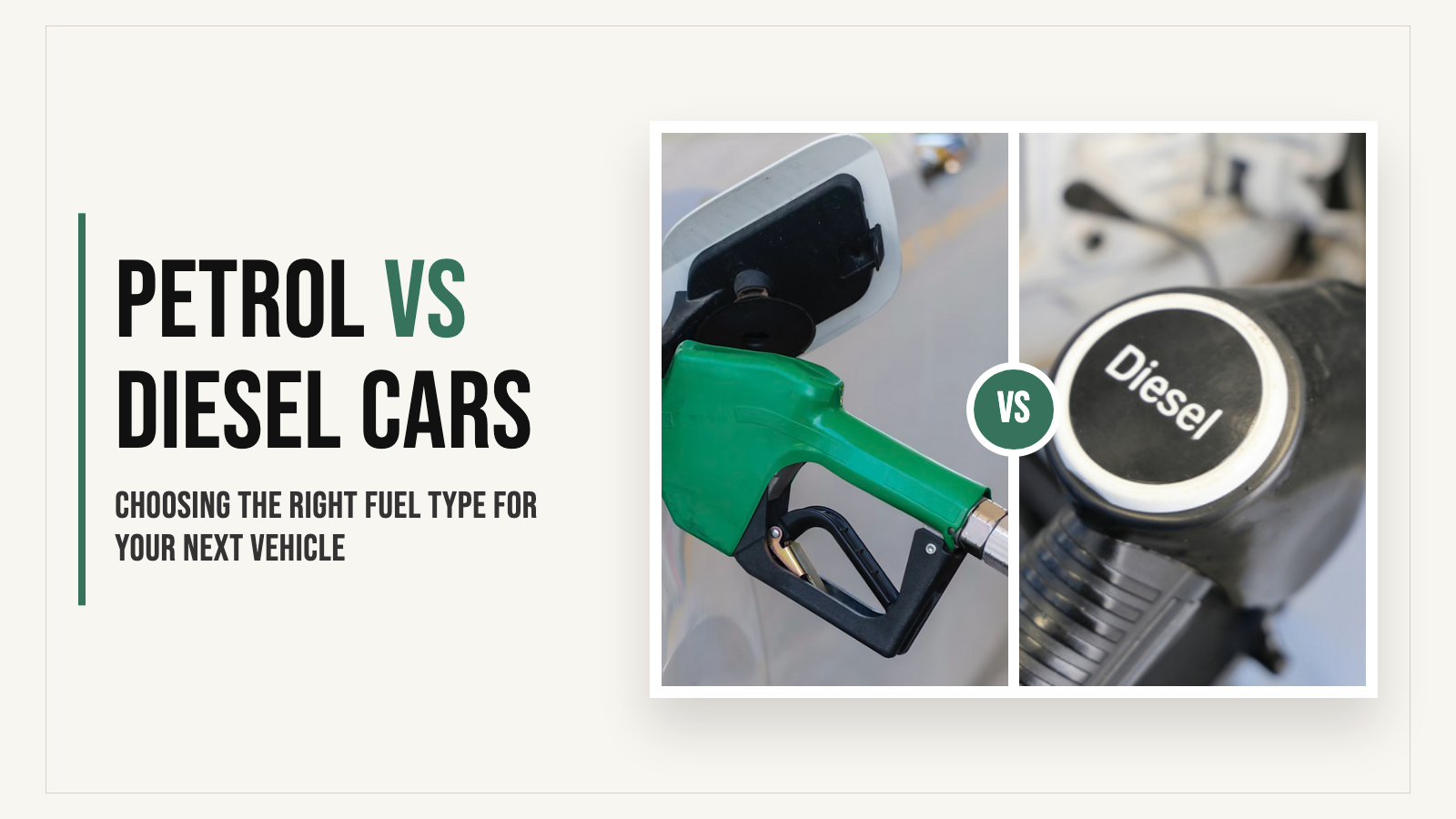
Deciding between petrol vs diesel cars has been a classic puzzle for Indian vehicle buyers. A few years ago, the choice was straightforward: if you had high daily usage, you bought a diesel car to benefit from much lower fuel prices. Today, the choice is far more complex.
Tightening emission rules, narrowing fuel price gaps, and the introduction of complex exhaust cleaning tech have completely shifted the calculations. If you are standing in a showroom trying to decide between diesel cars vs petrol cars, this practical breakdown will clarify which option suits your wallet and driving style.
The Core Mechanical Difference: How They Deliver Power
To understand why these cars perform differently on city roads and highways, it helps to look at how their engines generate energy.
- Petrol Engines: These engines pull a mixture of air and fuel into the cylinders and ignite it using a spark plug. This design allows petrol cars to rev higher, resulting in a quieter, smoother, and more refined cabin experience at low speeds.
- Diesel Engines: These setups skip spark plugs entirely. They compress air inside the cylinders until it reaches a very high temperature, and then inject the diesel fuel, which auto-ignites under the intense pressure. This high-compression method gives diesel engines their signature low-end pulling power (torque) and superior thermal efficiency.
Petrol vs Diesel Cars: The Financial Math
The biggest mistake most buyers make is looking only at the fuel pump prices. To understand the true cost of ownership, you must evaluate three key areas: initial purchase premium, real-world mileage, and long-term maintenance.
1. The Upfront Price Gap
Because modern diesel engines must comply with strict BS6 Phase 2 emission standards, they require highly advanced exhaust filters, such as Diesel Particulate Filters (DPF) and AdBlue injection systems. Consequently, a diesel variant of a mid-size SUV or sedan typically costs ₹1.5 lakh to ₹3 lakh more than its exact petrol counterpart on-road.
2. Real-World Fuel Economy and Fuel Prices
Diesel fuel inherently contains more energy per litre than petrol, and diesel engines extract that energy more efficiently.
- Average Petrol Car Mileage: 12 to 17 kmpl in mixed driving conditions.
- Average Diesel Car Mileage: 16 to 22 kmpl in similar driving conditions.
While diesel cars deliver better fuel efficiency, the price gap between the two fuels at Indian filling stations has narrowed significantly, sitting at just ₹7 to ₹13 per litre depending on your state.
3. Maintenance and Service Expenses
Petrol engines are simpler and cheaper to service over time. A standard periodic service for a petrol car involves basic oil and filter changes.
Diesel cars cost roughly 15% to 25% more to maintain. They have shorter oil change intervals, require regular top-ups of exhaust fluid (AdBlue), and feature highly sensitive fuel injectors that are expensive to fix if you happen to fill up with contaminated fuel at a highway pump.
Comparison Table: Ownership Costs At a Glance
| Cost Component | Petrol Vehicles | Diesel Vehicles |
|---|---|---|
| Initial Showroom Cost | Base pricing (No added premium) | ₹1.5 Lakh to ₹3 Lakh premium |
| Engine Noise & Vibration | Very low, highly refined at idle | Audible diesel rumble, minor vibration |
| City Stop-and-Go Driving | Extremely smooth, effortless | Can feel heavy; risks clogging filters |
| Highway Pulling Power | Needs gear downshifts to overtake | Massive torque; effortless overtaking |
| Average Yearly Insurance | Standard rates based on IDV | 10% to 15% higher initial premiums |
| Resale Value Profile | Strong demand in the used market | Facing pressure from city registration bans |
Calculate Your Break-Even Point: The 1,500 KM Rule
Because you pay a heavy price premium when buying a diesel car, that vehicle needs to "earn back" the extra money through its superior fuel economy.
Let us look at a practical scenario for a popular mid-size family SUV:
- Petrol Variant Running Cost: Approximately ₹8.00 per kilometre.
- Diesel Variant Running Cost: Approximately ₹5.50 per kilometre.
- Per-Kilometre Savings with Diesel: ₹2.50.
If the diesel version costs ₹2,00,000 more to buy on-road, you would need to drive 80,000 kilometres just to recover that initial extra cost.
The Mileage Guideline: If your monthly running is below 1,200 to 1,500 kilometres, stick to a petrol car. You will save money upfront and avoid potential mechanical issues. If you reliably log more than 1,500 kilometres every single month—especially via long highway journeys—the diesel version becomes financially viable.
Regulatory Headwinds: The Registration Lifespan Factor
Before making a final choice, consider the regional transport rules in your area. In the National Capital Region (NCR) around Delhi, National Green Tribunal (NGT) rules mandate that diesel vehicles cannot operate past 10 years, whereas petrol cars are permitted for 15 years.
Even if you live outside Delhi, this 10-year restriction significantly lowers the resale value of used diesel cars, as buyers are hesitant to invest in a vehicle with a truncated operational life.
Frequently Asked Questions (FAQs)
Why do short city drives cause problems in modern diesel cars?
Modern BS6 diesel engines use a Diesel Particulate Filter (DPF) to trap dangerous soot particles. For the filter to clean itself, the exhaust needs to reach a very high temperature, which only happens during continuous highway speeds. Frequent short city trips prevent the engine from warming up fully, leading to a clogged DPF warning light and expensive dealer repairs.
Which engine type is better for hill driving or heavy loads?
Diesel engines are vastly superior for mountainous roads, carrying heavy passenger loads, or towing. They generate their maximum torque at very low engine RPMs, meaning you do not have to rev the engine aggressively or shift gears constantly to climb steep inclines.
Are petrol engines less durable than diesel engines?
Both modern engine types are built to exceptional engineering standards and can easily cross 2 to 3 lakh kilometres if maintained properly. However, diesel engines are traditionally built with heavier, tougher components to handle high compression pressures, allowing them to withstand heavy commercial use slightly better.
Do petrol cars have a better resale value than diesel?
Yes, in the current pre-owned market, petrol passenger cars are easier to sell and hold a more stable value. The uncertainty around future emission bans and the 10-year age limit on diesel cars in key metro areas has noticeably dropped the demand for used diesel hatchbacks and sedans.
Make the Smart Transition for Your Garage
Choosing between petrol vs diesel cars comes down to mapping out your monthly travel accurately. If your daily route involves quick runs to the local market and a short office commute, a refined petrol engine will keep your ownership experience simple and affordable. If you are an avid road-tripper or a professional tracking heavy highway mileage, a torque-rich diesel engine remains an outstanding tool for the job.
Ready to check out the exact on-road price difference for your favourite model? Use our intelligent comparison platform to view local dealership quotes, configure your custom loan structure, and arrange a test drive today.